

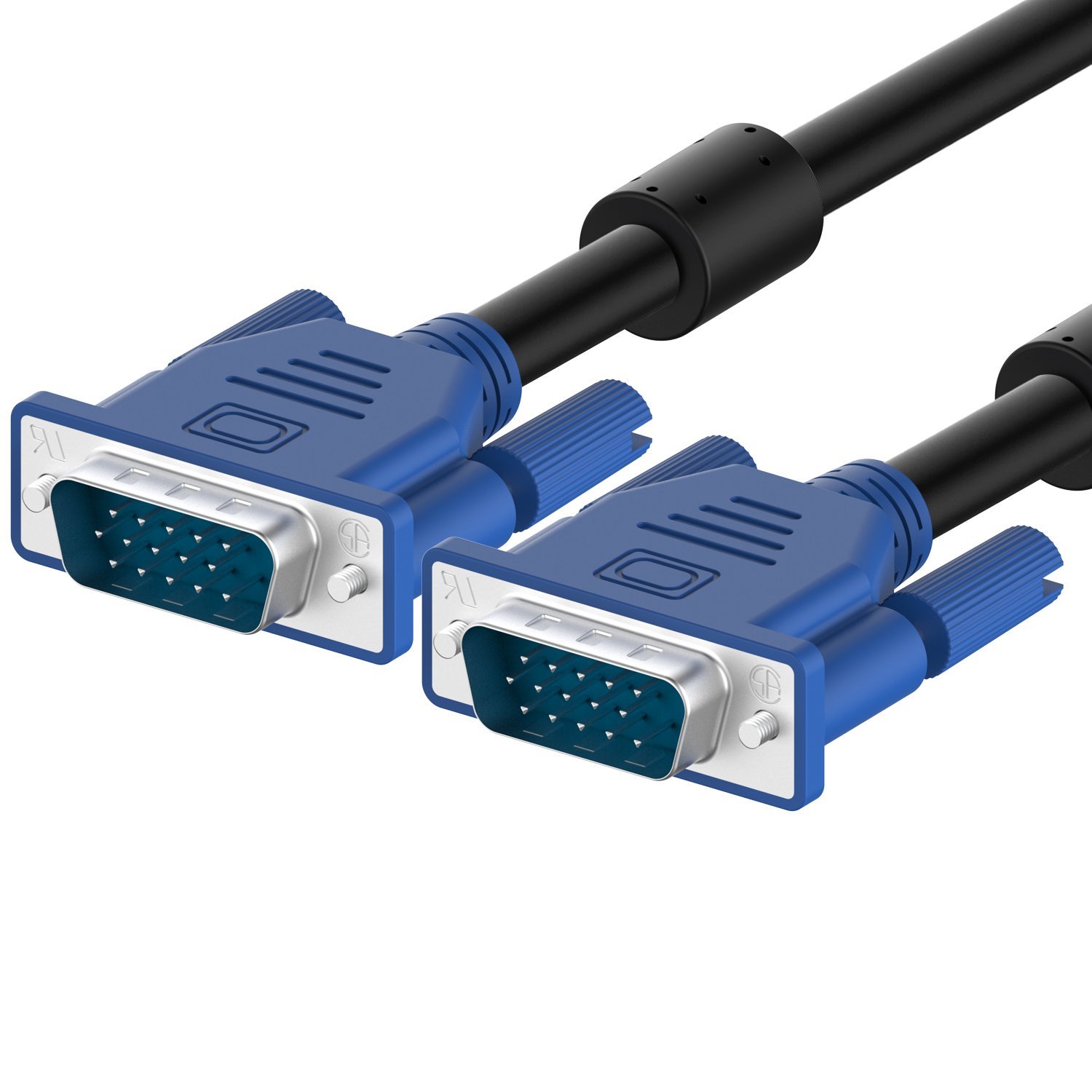
Looking to connect your computer to a monitor or TV for a clearer display? The solution you need is a VGA cable. With its simple plug-and-play design, a VGA cable provides a reliable connection for transmitting video signals. Its versatility makes it a popular choice for various devices, offering a seamless visual experience. Dive deep into the world of VGA cables to unlock the potential of your display devices.

The Versatile World of VGA Cables: Everything You Need to Know
Welcome, tech enthusiasts and curious minds! Today, we are diving into the fascinating realm of VGA cables. Whether you’re a seasoned techie or just starting to explore the world of display connections, VGA cables play a crucial role in your setup. Join us as we unravel the mysteries of VGA cables, understand their importance, and learn how to make the most of this versatile technology.
What is a VGA Cable?
Let’s start with the basics. VGA stands for Video Graphics Array, and a VGA cable is a common type of cable used to connect a computer or other devices to a monitor or display screen. It carries analog video signals from the source to the display, allowing you to see images, videos, and other visual content on your screen.
History of VGA Cables
The VGA cable has a rich history that dates back to the late 1980s when it was introduced by IBM. At that time, VGA cables revolutionized the way people interacted with computers by providing high-quality video output. Despite the advancements in technology, VGA cables have stood the test of time and are still widely used in many devices today.
How Does a VGA Cable Work?
So, how does a VGA cable work its magic? Inside a VGA cable, there are multiple wires that carry the red, green, and blue color signals, along with synchronization signals, to ensure that the image displayed on the screen is sharp and clear. When you connect a VGA cable between your computer and monitor, these signals travel through the cable, allowing you to enjoy vibrant visuals on your display.
Benefits of Using a VGA Cable
There are several benefits to using a VGA cable. One of the key advantages is its widespread compatibility with a variety of devices, including older computers, monitors, projectors, and some newer devices that still support VGA connections. Additionally, VGA cables are known for their durability and reliable performance, making them a popular choice for many users.
High-Quality Display
With a VGA cable, you can enjoy high-quality display output, allowing you to see images and videos with crisp detail and vibrant colors. Whether you’re watching a movie, playing games, or working on a graphic design project, a VGA cable can deliver excellent visual performance.
Easy to Use
Another advantage of VGA cables is their ease of use. Simply plug one end of the cable into your computer and the other end into your monitor or display device, and you’re ready to go. There’s no need for complicated setup or configuration, making VGA cables a convenient choice for users of all levels.
Types of VGA Cables
When it comes to VGA cables, there are several types to choose from, depending on your specific needs and preferences. Some common types of VGA cables include:
Standard VGA Cables
Standard VGA cables are the most common type of VGA cable and are typically used to connect computers to monitors or projectors. These cables are available in various lengths and configurations to suit different setups.
Mini VGA Cables
Mini VGA cables are smaller in size compared to standard VGA cables and are often used with laptops and portable devices that have limited space for connectivity ports. These cables are lightweight and easy to carry, making them ideal for on-the-go use.
Long VGA Cables
For setups that require a longer reach, long VGA cables come to the rescue. These cables are designed to provide extended connectivity between your devices without compromising on signal quality or performance. Whether you need to connect devices across a large room or office space, long VGA cables offer the flexibility you need.
How to Choose the Right VGA Cable
When selecting a VGA cable for your setup, there are a few key factors to consider to ensure you get the right cable for your needs:
Compatibility
Make sure the VGA cable you choose is compatible with your devices. Check the input and output ports on your computer and monitor to ensure they match the connectors on the cable.
Length
Determine the length of the VGA cable you need based on the distance between your devices. Choose a cable that allows for easy connection without being too short or too long.
Quality
Look for a VGA cable that offers high-quality construction and reliable performance. Opt for cables made from durable materials that can withstand frequent use and provide a stable connection.
Setting Up Your VGA Cable
Now that you’ve chosen the right VGA cable for your setup, it’s time to connect your devices and enjoy the benefits of a seamless display connection. Follow these simple steps to set up your VGA cable:
Step 1: Identify the VGA Ports
Locate the VGA ports on your computer and monitor. The VGA port on your computer is typically blue and has 15 pins, while the VGA port on your monitor may vary in color but will also have 15 pins.
Step 2: Connect the VGA Cable
Insert one end of the VGA cable into the VGA port on your computer and tighten the screws to secure the connection. Then, plug the other end of the cable into the VGA port on your monitor or display device.
Step 3: Power Up Your Devices
Power on your computer and monitor to activate the connection. Your monitor should now display the video output from your computer, allowing you to enjoy your favorite content in full color.
As we wrap up our journey into the world of VGA cables, we hope you’ve gained a better understanding of this essential piece of technology. Whether you’re a gamer, a movie buff, or a professional in need of a reliable display connection, VGA cables offer a versatile solution that stands the test of time. So, next time you’re setting up your computer or connecting your devices, remember the humble VGA cable and the role it plays in delivering stunning visuals to your screen.
Thank you for joining us on this exploration of VGA cables. Stay tuned for more tech adventures and insights!
All About VGA Cables – What YOU Need To Know!
Frequently Asked Questions
What is a VGA cable used for?
A VGA cable is used to connect a computer or laptop to a monitor, projector, or TV that has a VGA port. It allows for the transmission of video signals from the computer to the display device.
How do I know if my device is compatible with a VGA cable?
To check compatibility, look for a VGA port on your computer or display device. Most older computers, monitors, and projectors have VGA ports. Newer devices may require adapters to connect to a VGA cable.
Can a VGA cable carry audio signals?
No, VGA cables are designed to transmit only video signals. If you need to transmit audio as well, you will need a separate audio cable or use a different type of cable that supports both audio and video signals.
What should I do if my VGA cable is not displaying properly?
If your VGA cable is not displaying properly, first ensure that the cable is securely connected to both the computer and the display device. Check for any bends, cuts, or damages to the cable that may be affecting the signal. If the issue persists, try using a different VGA cable or port.
Final Thoughts
In conclusion, VGA cables remain a reliable choice for connecting devices to monitors or screens. With their versatility and compatibility, VGA cables provide a simple solution for transmitting video signals. Despite advancements in technology, VGA cables continue to be widely used due to their affordability and ease of use. When looking for a straightforward and effective way to connect your devices, the trusty VGA cable is a dependable option.